In today’s hyperconnected world, the line between work and life has never been thinner. Notifications follow us home, emails buzz past midnight, and busy has somehow become a badge of honor. But in truth, burnout is not a sign of commitment, it’s a warning light on the dashboard of modern work. It’s time for organizations to rethink how they use technology, not just as a productivity tool, but as a protector of their team’s mental health.
The Problem with the Hustle Culture
For years, hustle culture glorified overworking, long hours, and constant connectivity. Many professionals began equating exhaustion with dedication. But research continues to show that burnout leads to decreased performance, higher turnover, and lower creativity. The good news is that the same technology that often contributes to burnout can also be redesigned and repurposed to prevent it.
Smart Workflows That Prevent Overload
The first step is simplifying how teams work. Technology can automate repetitive tasks, streamline processes, and create clarity across departments. With unified systems that connect HR, CRM, and project management tools, employees can focus on meaningful tasks instead of switching endlessly between apps.
When workloads are transparent and automated, people no longer feel overwhelmed by hidden expectations or fragmented responsibilities. Smart workflows create balance and balance breeds better performance.
Data That Detects Burnout Before It Happens
Technology can now help leaders spot burnout before it takes root. Through analytics and AI, organizations can identify patterns such as declining productivity, longer response times, or unusual working hours. When analyzed responsibly and ethically, these insights allow managers to step in early—redistributing workloads, encouraging rest, or offering flexible arrangements.
Preventative action beats damage control every time. With the right data, mental health support can move from reactive to proactive.
Communication Tools That Encourage Boundaries
One of the biggest causes of burnout is the always-on mentality. The rise of remote and hybrid work blurred the boundaries between home and office. However, modern collaboration tools now include features that promote balance, Do Not Disturb modes, scheduled messages, and asynchronous updates that allow teams to communicate effectively without demanding instant responses.
When teams learn to respect digital boundaries, communication becomes healthier, and mental recovery becomes part of the workflow rather than an afterthought.
Culture Still Comes First
Of course, technology alone cannot fix a toxic work culture. True wellbeing requires empathy and leadership. But when tech is used to enhance transparency, fairness, and feedback, it reinforces positive cultural values. For instance, performance systems that highlight achievements and encourage peer recognition can lift morale. Platforms that promote open dialogue can help employees feel heard and valued.
The Future of Work Is Human-Centered
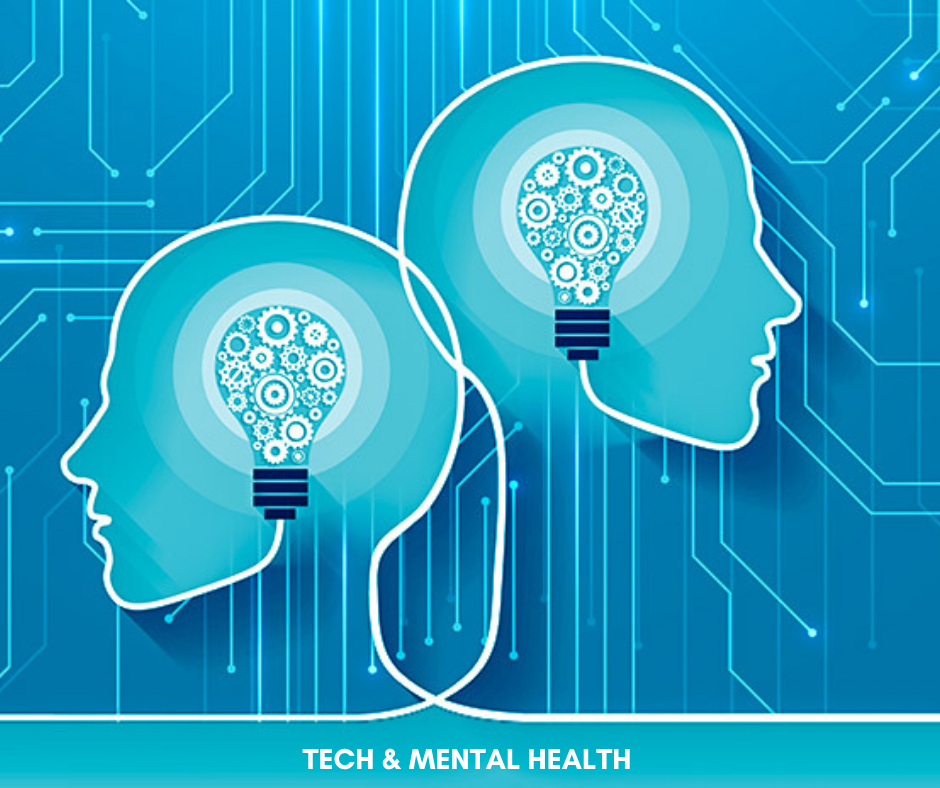
At its best, technology amplifies humanity—it makes work simpler, clearer, and more meaningful. When organizations embrace tech that supports mental health, they’re not just preventing burnout, they’re building resilience, trust, and long-term success.
Burnout doesn’t need to be the cost of ambition. With thoughtful integration of digital tools and a commitment to wellbeing, leaders can create workplaces where people thrive—not just survive.
Let’s move beyond glorifying exhaustion. Let’s design systems that protect energy, creativity, and peace of mind, because a healthy team is the strongest competitive advantage any company can have.