Every small and medium-sized enterprise is surrounded by data, customer interactions, social media engagement, website metrics, sales numbers, and operational reports. But while many businesses collect data, few truly listen to what it’s saying. The difference between companies that grow sustainably and those that stagnate often comes down to how well they can translate raw data into actionable insights.
From Data Collection to Understanding
Collecting data is easy; understanding it is where the challenge lies. Many SMEs invest in digital tools that generate numbers, but without context, those numbers are just noise. Analytics is about finding patterns, connecting dots, and revealing the story beneath the surface. For instance, customer feedback isn’t just about satisfaction scores; it’s a reflection of evolving needs, pain points, and brand perception. When SMEs start analyzing this kind of data, they move from assumption-based decisions to evidence-based strategies.
Turning Insights Into Action
Data only creates value when it drives action. SMEs can use analytics to pinpoint what products perform best and why, identify customer behavior trends, and even forecast future demand. For example, if data shows a spike in interest during specific times of the year, a business can adjust inventory, marketing campaigns, or staffing to match that rhythm. Similarly, analyzing operational data might uncover inefficiencies that, once addressed, save both time and money.
Actionable analytics also empowers leaders to align their teams more effectively. When everyone has visibility into the metrics that matter, from conversion rates to customer retention, decisions become collaborative and transparent. It shifts company culture from reactive to proactive, where strategy is guided by real-time insight rather than intuition alone.
Why SMEs Can’t Afford to Ignore Their Data
In a competitive market, intuition isn’t enough. Data provides SMEs with a powerful lens to view their customers, market trends, and internal performance. It helps identify opportunities before they’re obvious and risks before they become threats. The key is not to drown in dashboards but to focus on the right metrics, those that reflect growth, customer satisfaction, and operational health.
When SMEs treat data as a strategic partner, they become more agile, more customer-centric, and better equipped to scale. The technology to do this from simple analytics dashboards to AI-powered tools, has never been more accessible. What matters most is the mindset: viewing every piece of data as part of an unfolding story about your business.
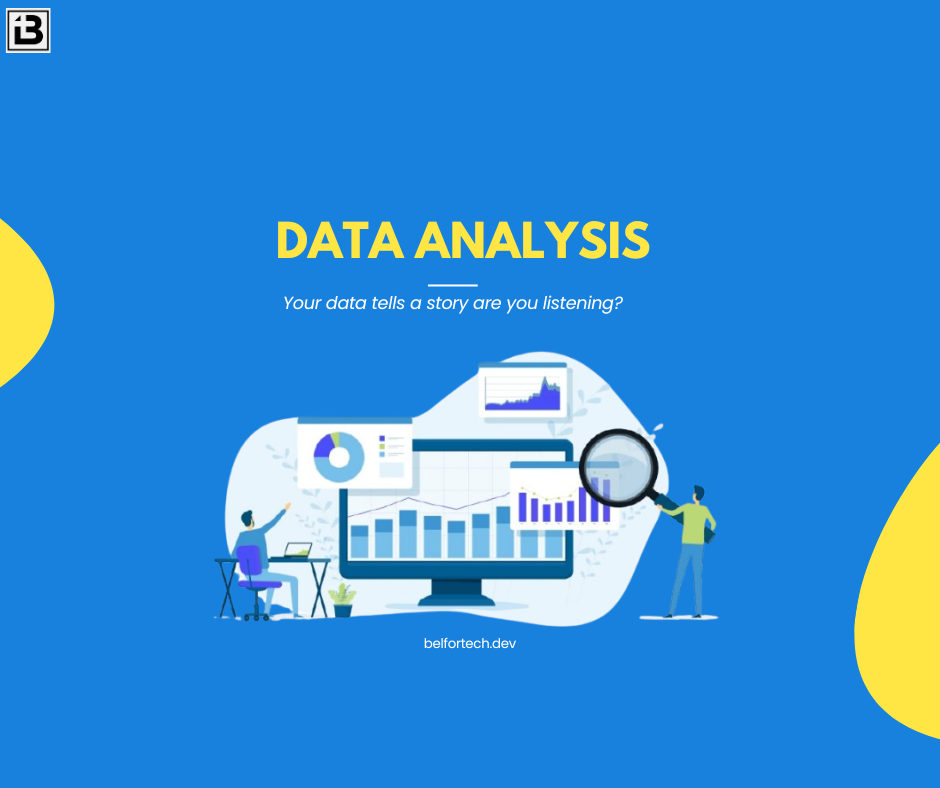
Your data is speaking every day, through patterns in sales, engagement, and performance. The question is, are you listening? Turning analytics into action isn’t just a technical process; it’s a leadership choice. It’s about embracing curiosity, asking better questions, and using evidence to drive growth. For SMEs, this could mean the difference between staying afloat and leading the market.
Data tells a story. The smartest businesses are the ones that listen, learn, and act.