In the ever-evolving business landscape, staying competitive requires more than just good products or services; it demands streamlined processes, seamless communication, and data-driven decision-making. As your company grows, managing these aspects becomes increasingly complex. This is where an Enterprise Resource Planning (ERP) system steps in — an integrated solution designed to help businesses of all sizes run more efficiently and effectively.
If you’ve been wondering how to bring more order and efficiency to your business operations, an ERP system might be exactly what you need. Let’s explore why adopting an ERP system can transform your business, increase productivity, and fuel growth.
1. What is an ERP System?
At its core, an ERP system is a suite of integrated software applications designed to manage and automate various business processes such as finance, supply chain, human resources, manufacturing, and customer relations. It centralizes your data, offering a single source of truth for all critical business operations, and makes that data accessible across departments.
Instead of relying on separate software for different functions or manually managing processes, an ERP system streamlines everything, saving time and resources while improving accuracy and decision-making.
2. Increased Efficiency and Productivity
One of the primary benefits of an ERP system is the significant boost in operational efficiency. By automating repetitive tasks such as invoicing, order processing, and inventory management, your employees can focus on more strategic and value-added activities.
Without an ERP, different departments might be working in silos with disconnected tools, which can result in errors, delays, and duplication of work. With an integrated ERP system, data flows seamlessly across all areas of your business, eliminating redundant tasks and improving collaboration between teams.
For example, when a sales team places an order, inventory levels automatically update, and the accounting department is notified to prepare an invoice. These automated workflows significantly reduce manual effort, leading to faster processing times and fewer mistakes.
3. Real-Time Access to Data for Better Decision-Making
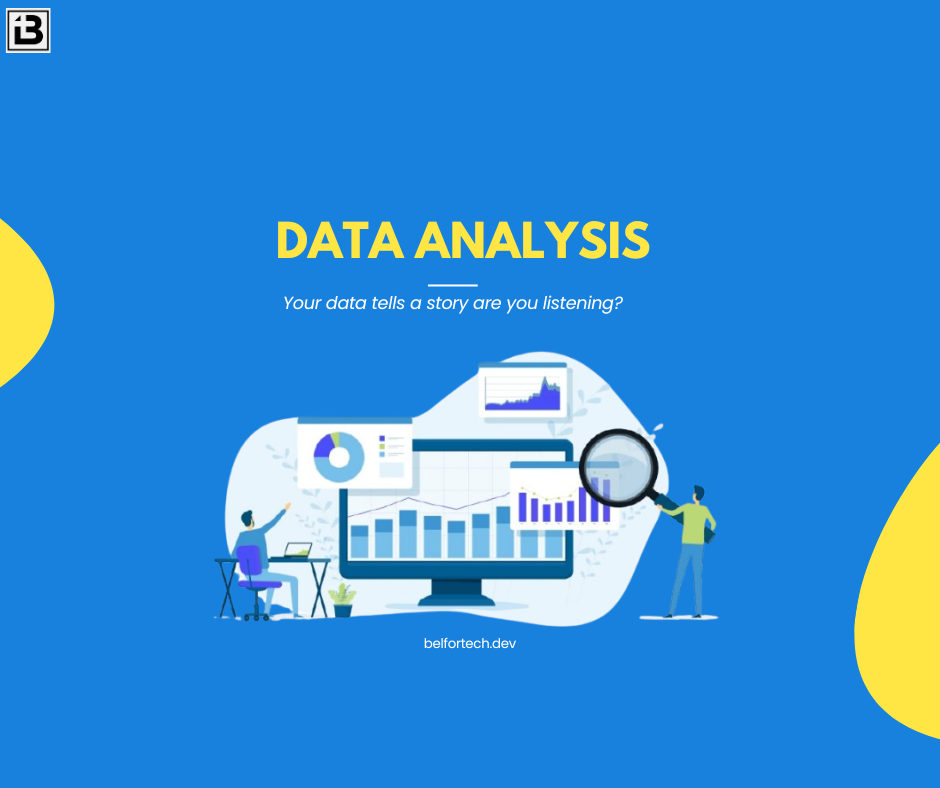
In today’s data-driven world, access to real-time, accurate information is crucial for making informed decisions. ERP systems provide dashboards and reporting tools that deliver insights across all aspects of your business, from finance and sales to inventory and customer service.
With an ERP system, managers can view real-time data and make decisions based on up-to-the-minute performance, trends, and KPIs. This data-driven approach empowers your business to be more agile, respond quickly to changes in the market, and optimize resources efficiently.
Whether it's tracking sales performance, monitoring cash flow, or analyzing inventory turnover, an ERP system ensures that every decision is backed by accurate, up-to-date data, reducing the risk of errors or missed opportunities.
4. Improved Customer Experience
In today’s competitive market, customer satisfaction is key to retaining and growing your business. An ERP system can enhance the customer experience by providing a 360-degree view of every customer’s history and preferences. This means you can offer personalized service, quicker response times, and more accurate order fulfillment.
For example, if a customer calls with a question about their order status, your customer service team can instantly access information from the ERP system, providing real-time updates and ensuring the customer feels heard and valued.
Moreover, the streamlined order-to-delivery process ensures that customers receive their orders on time and accurately, improving customer satisfaction and loyalty.
5. Cost Savings Through Streamlined Operations
An ERP system can help you identify inefficiencies and redundancies in your processes, which can lead to significant cost savings. By optimizing inventory management, production schedules, and supply chain logistics, businesses can reduce waste, avoid overstocking, and prevent stockouts.
Additionally, with improved financial management and reporting, your business can better track expenses, identify areas for cost-cutting, and improve budgeting and forecasting. This level of visibility helps you avoid unnecessary expenses and allocate resources more effectively, ultimately boosting your bottom line.
6. Scalability and Flexibility
As your business grows, so do your needs. One of the most compelling reasons to implement an ERP system is its ability to scale with your business. ERP systems are highly customizable and can grow alongside your company, whether you're expanding your product line, entering new markets, or adding new employees.
Modern ERP solutions are also cloud-based, which means they can be accessed from anywhere, offering flexibility for remote teams and global operations. With cloud-based ERP, you no longer need to worry about maintaining on-premise infrastructure or dealing with complex software installations. You can scale your ERP system with ease and enjoy regular updates without the need for constant manual upgrades.
7. Enhanced Collaboration Across Departments
In many organizations, different departments often use different systems or methods to manage data, leading to gaps in communication and missed opportunities. With an ERP system, all teams are working with the same centralized information, which fosters greater collaboration and teamwork.
For instance, sales, inventory, and finance teams all have access to the same data, meaning everyone is on the same page regarding inventory levels, orders, and financials. This transparency reduces communication barriers and allows departments to align their goals and processes more effectively, improving overall business performance.
8. Regulatory Compliance and Security
For many industries, compliance with regulations is a top priority. ERP systems often include features to help businesses comply with industry-specific regulations, such as financial reporting standards, tax laws, and inventory management rules.
Additionally, modern ERP systems provide robust security features, such as role-based access controls, data encryption, and regular system audits. This ensures that sensitive business data is protected from unauthorized access, reducing the risk of breaches and ensuring your business meets compliance requirements.
9. Choosing the Right ERP System for Your Business
Implementing an ERP system is a big decision, but the benefits it offers in terms of efficiency, cost savings, and growth potential are undeniable. When choosing an ERP system, it’s essential to select one that fits your business’s unique needs. Factors to consider include your industry, the size of your business, your growth plans, and the features you require.
Working with an experienced ERP provider who understands your business can help you make the right choice, implement the system effectively, and provide ongoing support to ensure its long-term success.
Final Thoughts
The right ERP system is an invaluable tool that can transform your business operations, boost efficiency, and improve decision-making. By integrating your processes and providing real-time insights into every aspect of your business, an ERP system offers a competitive advantage that can propel your company toward long-term success.
If you’re ready to unlock the full potential of your business, now is the time to invest in an ERP solution. Contact us today to learn how we can help you streamline operations, reduce costs, and accelerate growth with the power of an ERP system.