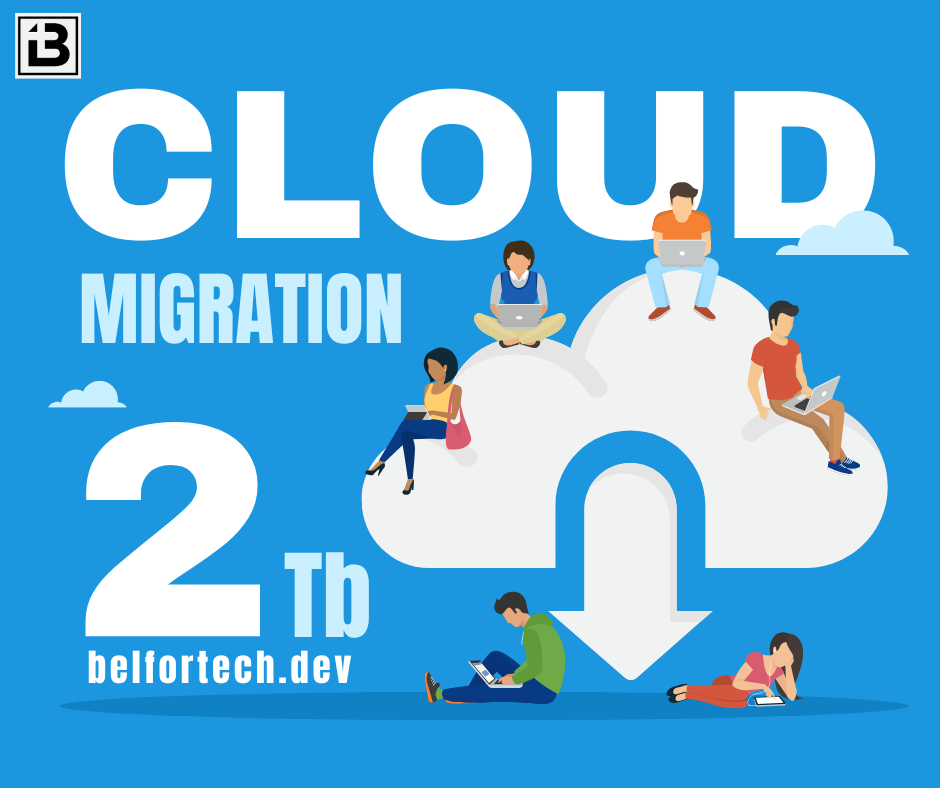
In today’s fast-paced digital world, small and medium-sized enterprises (SMEs) can no longer rely solely on traditional on-premise IT systems. The move to the cloud is no longer optional, it’s essential for businesses that want to stay competitive, flexible, and secure.
But what exactly is cloud migration, and why should SMEs consider it?
1: Scalability
Cloud solutions grow with your business. Whether you need more storage, computing power, or new applications, scaling up (or down) is instant and cost-effective.
2: Cost Savings
Instead of investing in expensive hardware and maintenance, SMEs can pay for cloud services on a subscription basis. This reduces upfront costs and makes IT expenses more predictable.
3: Security
Leading cloud providers offer enterprise-grade security, data encryption, multi-factor authentication, and regular backups, often stronger than what SMEs can manage in-house.
4: Remote Access
Cloud platforms enable employees to work from anywhere, boosting productivity and collaboration, especially in a world of hybrid and remote teams.
5: Business Continuity
With cloud backups and disaster recovery systems, SMEs can avoid data loss and downtime that might cripple operations.
Step-by-Step Cloud Migration Roadmap
1. Assess Business Needs
- Identify the key pain points of your current IT setup.
- Determine what you want to achieve, cost reduction, collaboration, security, or scalability.
2. Choose the Right Cloud Model
- Public Cloud (e.g., AWS, Google Cloud, Azure): Cost-effective and flexible.
- Private Cloud: Greater control and security for sensitive data.
- Hybrid Cloud: A mix of both, giving balance between control and scalability.
3. Select the Applications to Migrate
- Start with non-critical apps (like email, CRM, file storage).
- Gradually move core business systems (ERP, POS, inventory management).
4. Plan for Data Migration
- Decide how to transfer your data: all at once (big bang) or in phases.
- Ensure you have backups to avoid data loss during migration.
5. Ensure Security & Compliance
- Work with providers who meet local and industry regulations (e.g., data protection laws in Kenya).
- Implement strong authentication and access control measures.
6. Test and Optimize
- Run tests to confirm systems are working as expected.
- Monitor performance and fine-tune configurations for speed and cost.
7. Train Your Team
- Provide training so employees understand how to use the new systems effectively.
- Update internal processes to match the cloud environment.
For SMEs, cloud migration is not just about adopting new technology, it’s about future-proofing the business. By following a structured roadmap, businesses can minimize risks, reduce costs, and unlock growth opportunities.
The earlier SMEs embrace the cloud, the faster they can compete on the same level as larger enterprises.