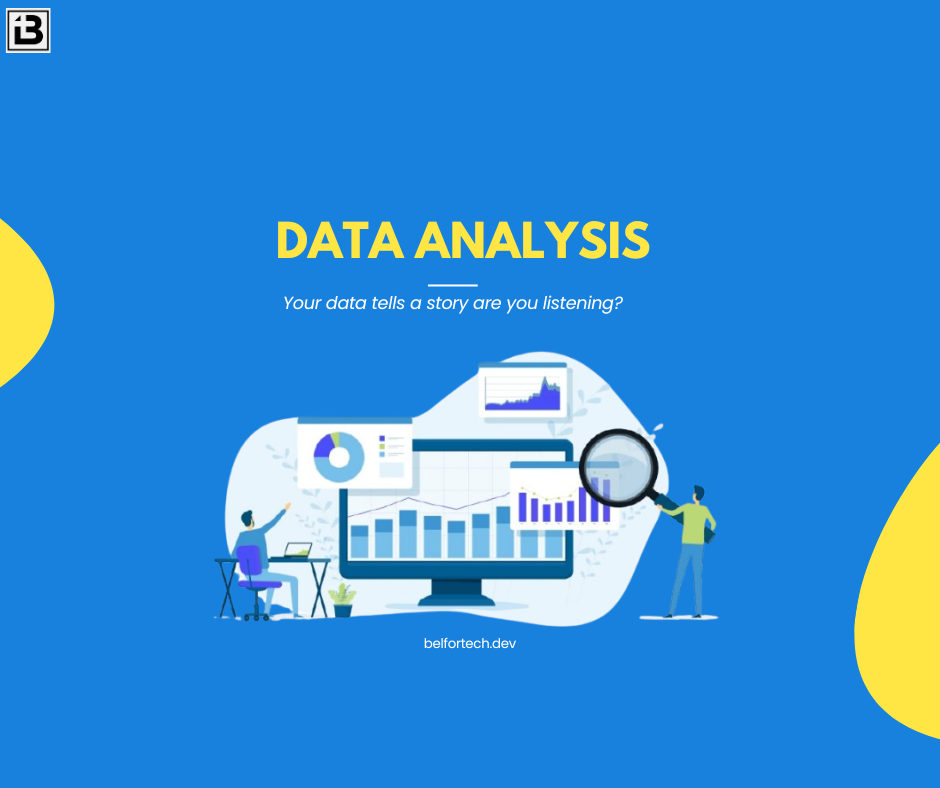
Running a business today is more complex than ever. Competition is fierce, customer expectations are high, and change happens quickly. For small and medium-sized enterprises (SMEs), depending on instinct alone is no longer enough. To stay ahead, businesses must rely on accurate insights that guide strategy, improve daily operations, and strengthen customer relationships. This is exactly what Business Intelligence (BI) tools are designed to deliver.
What is Business Intelligence?
Business Intelligence refers to the systems and software that gather, organize, and present business data in a way that’s easy to understand. Instead of scrolling through spreadsheets filled with numbers, BI platforms turn raw information into simple dashboards, reports, and visualizations. The result? Clear insights that make decision-making faster and more effective.
Why SMEs Should Care About BI
BI is not just for large corporations, it can transform how smaller businesses operate too. Here’s how:
a) Better Decisions: Get real-time visibility into what’s working and where improvements are needed.
b) Save Time and Effort: Automated reporting means less manual data crunching.
c) Know Your Customers: Identify buying habits, preferences, and patterns.
d) Plan for Tomorrow: Use past performance to forecast demand and allocate resources wisely.
Budget-Friendly BI Options for SMEs
The misconception that BI is expensive is fading fast. Today, many cost-effective platforms are accessible for smaller businesses, such as:
a) Google Looker Studio (formerly Data Studio): Free and easy to set up.
b) Microsoft Power BI: Affordable, especially for companies already using Excel.
c) Tableau Public: Great for creating impactful visual reports.
d) Zoho Analytics: A strong all-in-one platform tailored for SMEs.
Practical Steps to Begin
a) Identify Key Metrics: Focus on what truly matters: sales, expenses, customer retention, or inventory turnover.
b) Pick the Right Platform: Choose software that matches your needs, budget, and team’s skill level.
c) Start Small: Launch with a few simple dashboards and expand as your business grows.
d) Empower Your Team: Train staff so they can read and apply the insights effectively.
For SMEs, Business Intelligence isn’t about using the most advanced tools, it’s about using data wisely. With the right BI approach, small businesses can reduce uncertainty, uncover hidden opportunities, and make confident decisions that drive sustainable growth.